


Key Art for Games and Film
You are viewing my portfolio as a Concept Artist, showcasing key art for games and films. Check out the Case Studies tab to explore my sketches, techniques, and various workflows. Discover what it's like to collaborate with me on your project.


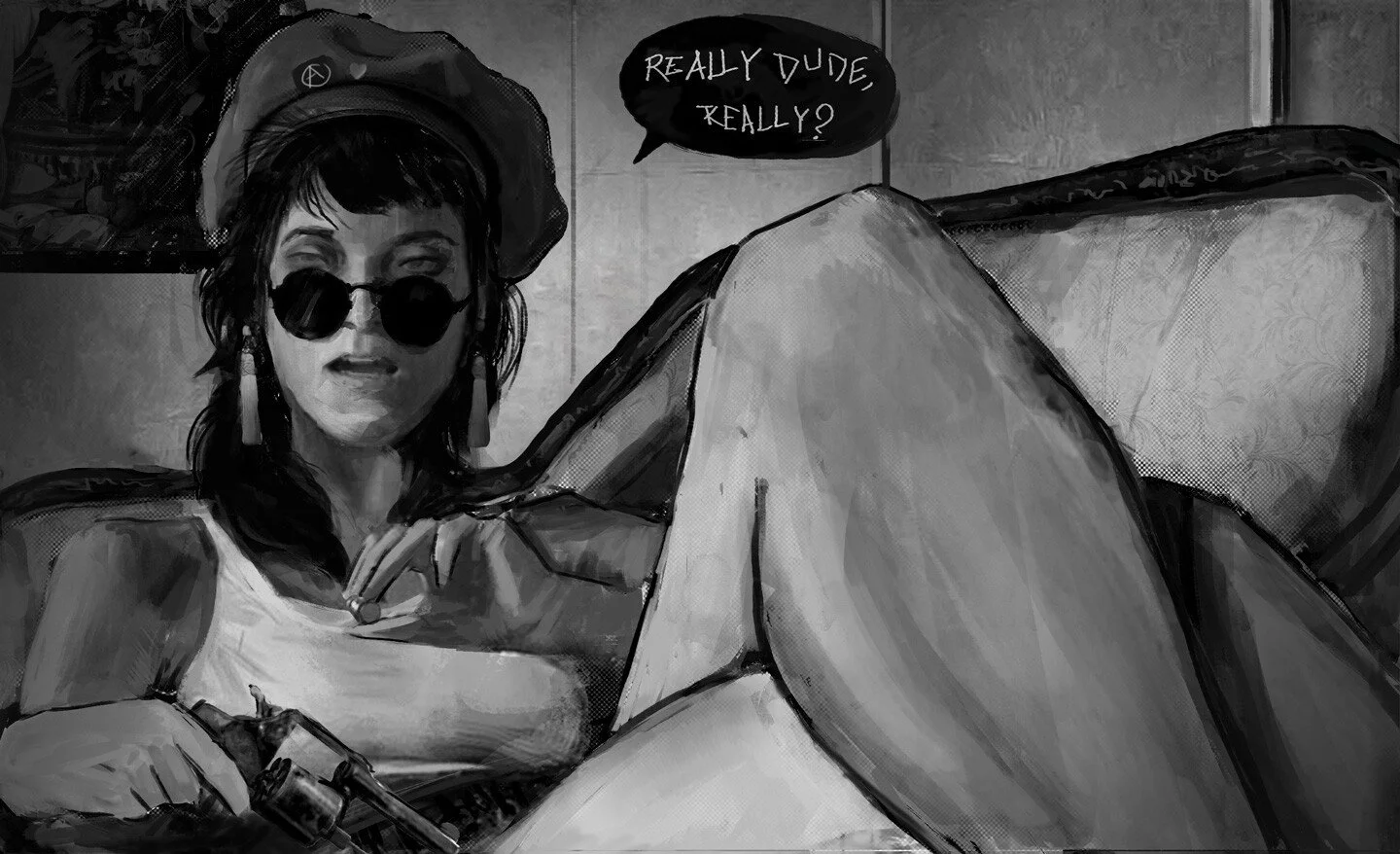


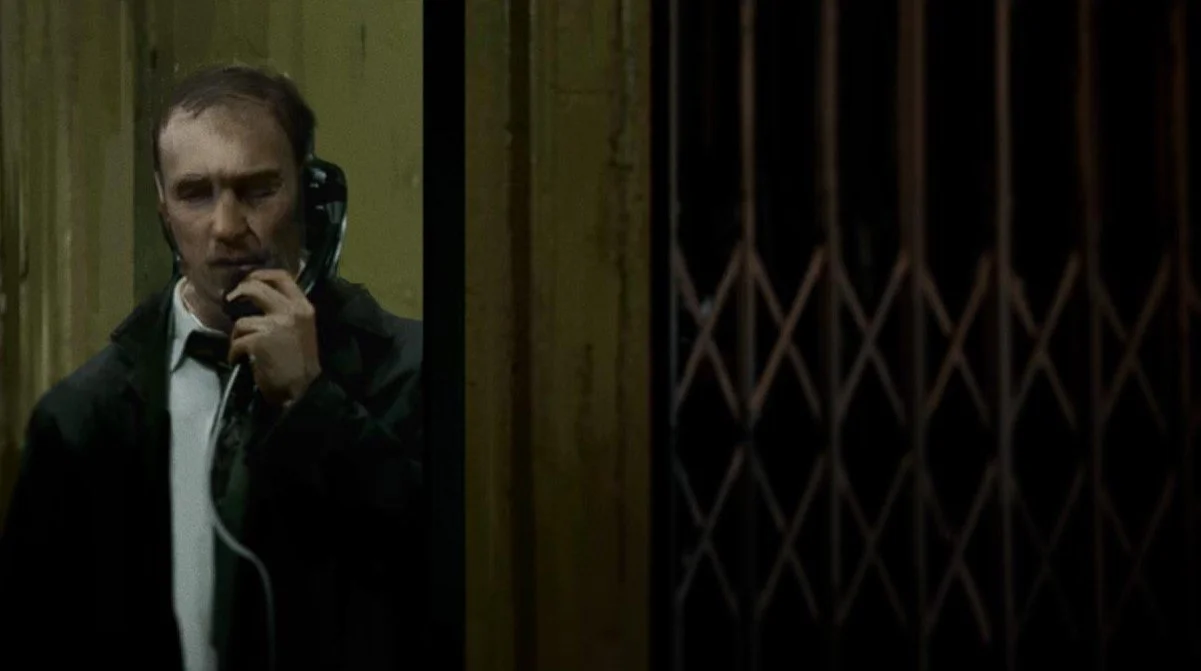
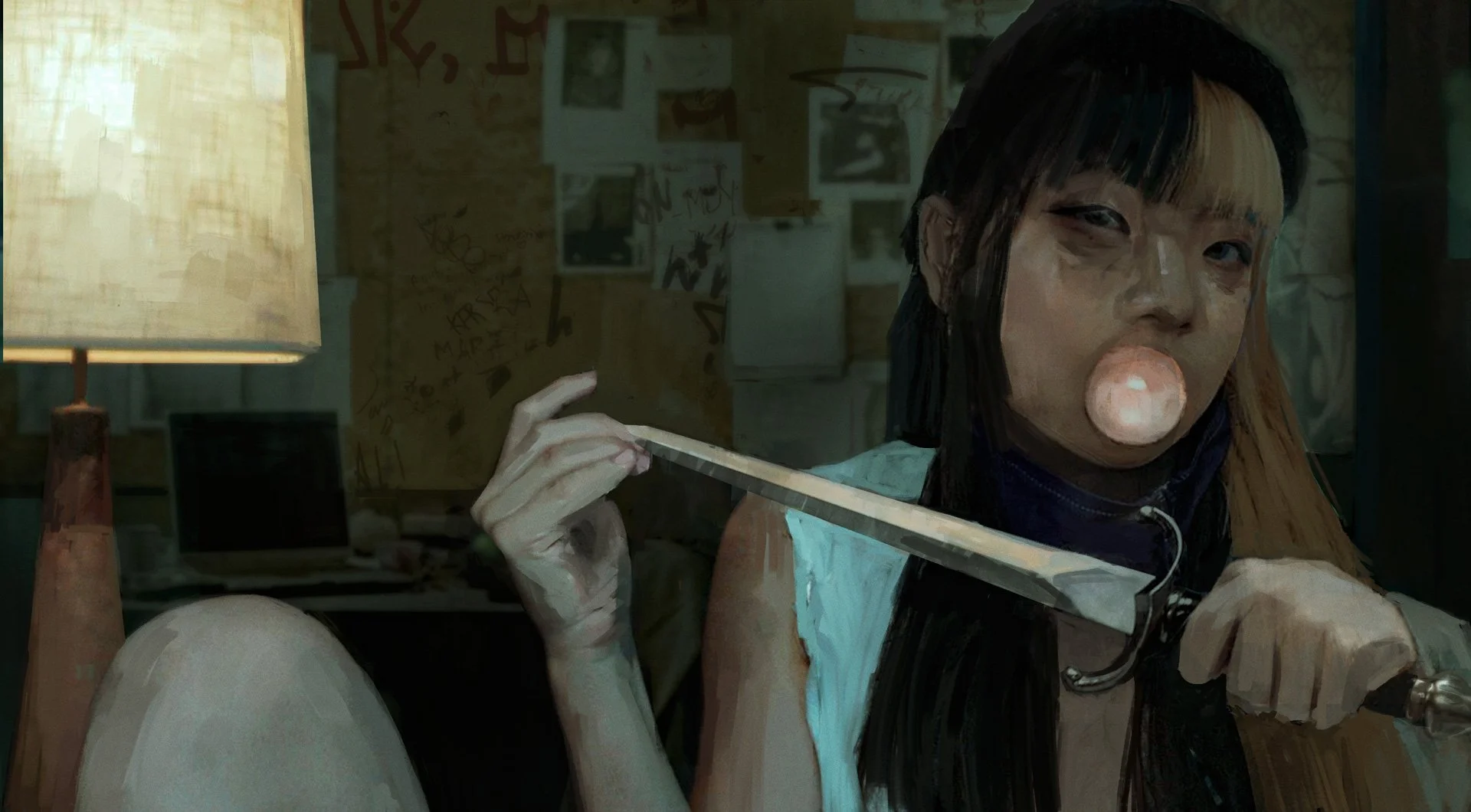
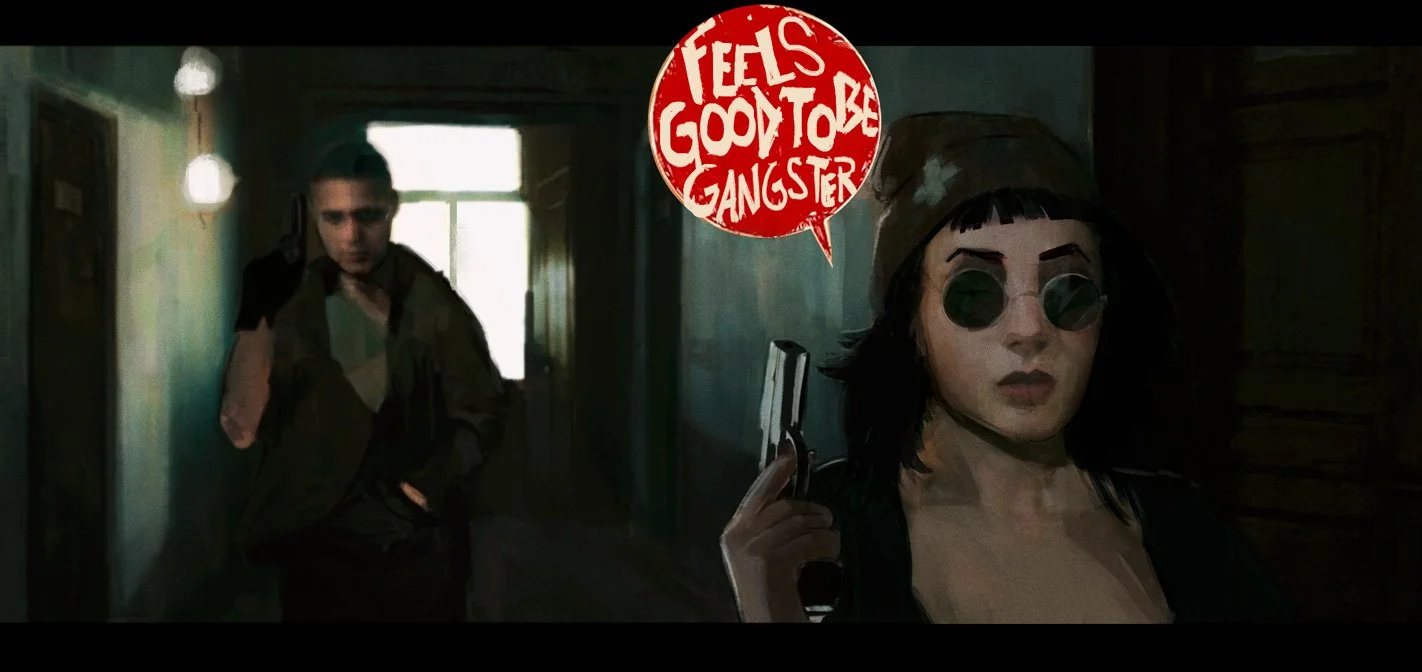
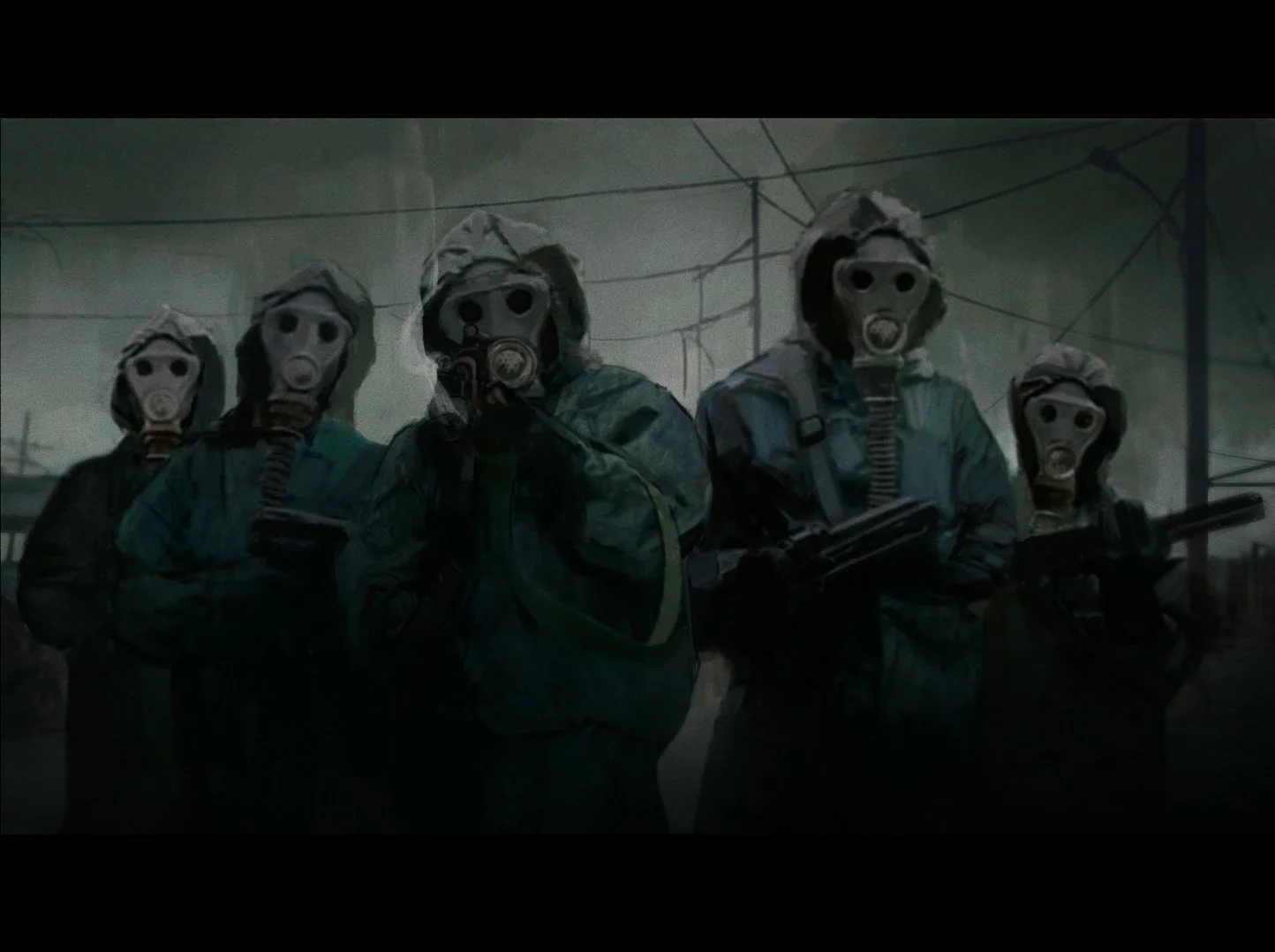

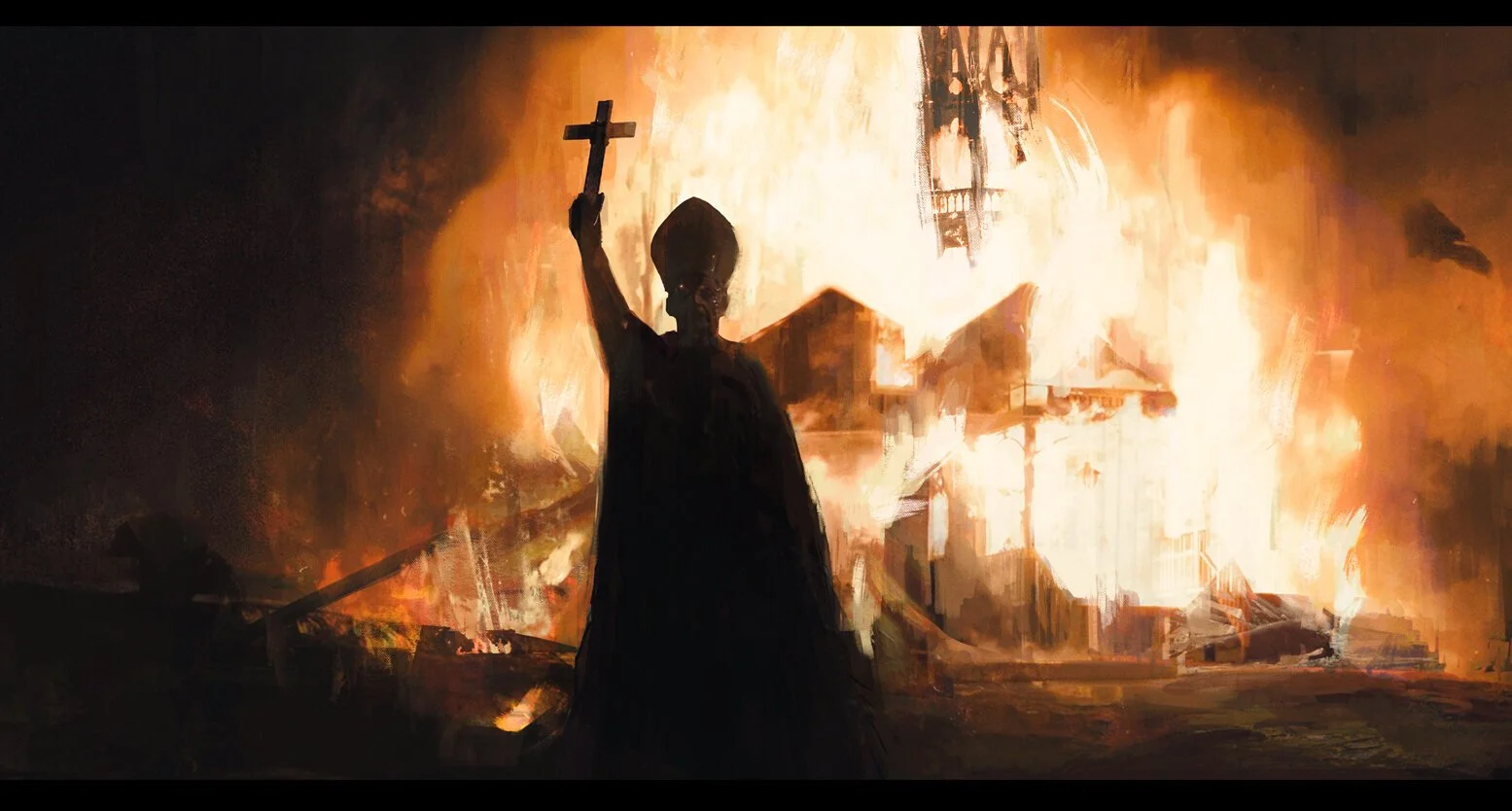
Cinematic Key Art Research
My research process:
1. Look up many many films on sites like ShotDeck.
2. Sketch at least 25 thumbnails inspired by great cinematographers I look up to.
Curating Key Art
Much like a film director, I carefully study every color, prop, and set to make sure that the symbolism works for a client’s concept before it goes to the big screen. No decision or reference is thrown in at random, or simply because it looks 'good.' Good is a subjective, safe quality; 'good' is just what we all agree on — the enemy of the great. As long as we stick to good, we’ll never have anything great.
Testing Cinematic Ideas
3. I spend about 5-10 seconds on each sketch to get into "the flow state". (For this one, I looked to Fincher, Tarantino and Guy Ritchie for inspiration.)
4. I spend about 30 minutes to paint a black and white sketch to ensure the composition, the camera lens and the perspective works in my favor. For this one, I used a fisheye lens and a stretched vanishing point to create a sense of speed, and as if it's jumping out of the screen.
5. It took about 3-6 hours to finish the remaining details.
Efficient Art Styles
One way to make concept art efficient is by suggesting details instead of over-rendering. In this car chase, I used directional brushstrokes to mimic motion blur, and shadows to make the detail distribution better.
This took about 15-30 minutes to sketch
Using the Cinematic Rhythm
Much like black and white comic books, the viewer's mind will fill in the gaps for the missing detail if you only suggest a few elements instead of fully rendering them. This mimics how the human eye and camera lenses work: they focus on one thing, and everything else becomes a blur.
Create Better Key Concept Art by spending less time on details.
In this image, I applied visual design principles of rhythm and contrast to guide the viewer's eye to areas I wanted to focus on, while providing more detail in those areas and spending less time on those that weren't the focus.
“Working with Miguel on the cover art for Claustrum was a great experience. He took the atmosphere I envisioned—dark, brutalist, and full of tension—and elevated it with an awesome main creature design. His creative process was collaborative yet deeply original, allowing him to capture the exact mood of the game while adding his own signature artistry. The final piece doesn’t just serve as a cover; it tells a story and sets the tone for everything players will feel when they open the box. I can't wait to see how he expands on the art as the game develops over time.”
— Justin Gale,
Creative Director at Typhon Games